
Making Wireless IoT Project Easy, Smart, Secure.
GET A FREE SAMPLEIn today's fast-paced e-commerce, manufacturing, and third-party logistics sectors, warehouse efficiency directly dictates supply chain responsiveness and operational costs. Facing increasingly fragmented orders and surging volumes, traditional management models—relying on manual experience and paper documents—are struggling with critical pain points like inventory inaccuracy, time-consuming picking, and difficult tracing, becoming major bottlenecks to business growth.
To address these challenges, the Smart Warehouse Management System has emerged. This comprehensive solution integrates electronic shelf labels, multi-modal sensors, industrial-grade wireless networks, and visual management software. Its core mission is to transform warehouse operations from a "manual-driven" to a "data-driven" model, enabling full-process digitalization, visualization, and intelligent management.
I. The Four Major Challenges of Traditional Warehousing
Efficiency Bottleneck: Pickers navigate vast warehouses with paper lists, resulting in excessive travel time and low picking efficiency.
High Error Rates: Manual recording and visual checks are prone to mistakes, leading to incorrect shipments, inventory discrepancies, and customer complaints.
Data Lag: Inventory data is not updated in real-time, hindering accurate procurement planning and order fulfillment promises.
Lack of Visibility: Absence of real-time location tracking for personnel, equipment, and goods makes it difficult to trace anomalies and make informed decisions.
II. How the Smart Warehouse Management System Solves the Problem
This system uses real-time data as its core, reshaping warehouse workflows through the seamless collaboration of smart terminals and backend software:
1. Electronic Shelf Labels (ESLs): The "Smart Guide" on the Floor
ESLs are more than just digital price tags; they are critical digital nodes on the warehouse floor.
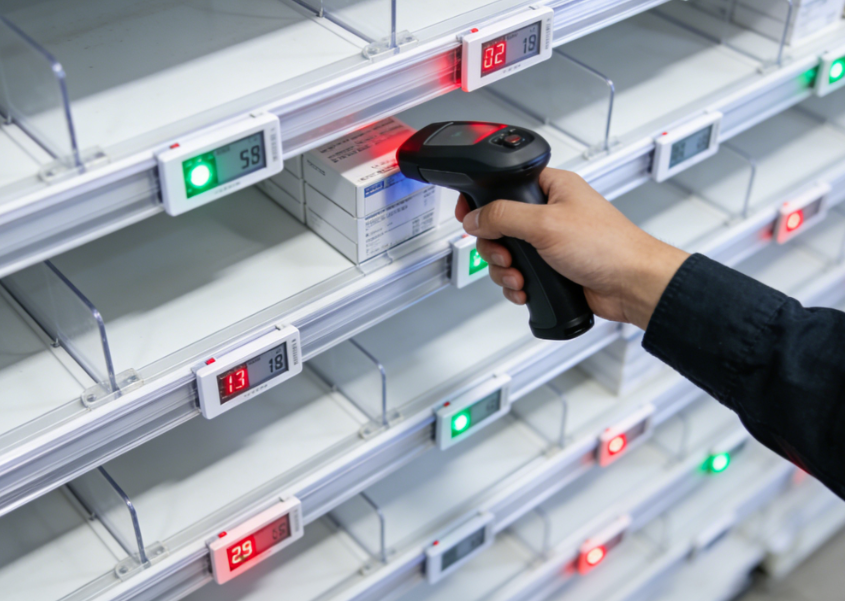
Pick-by-Light: Upon receiving system commands, ESLs on target locations flash, guiding pickers directly to the spot and drastically reducing search time.
Real-Time Information Sync: They display dynamic information like product name, stock quantity, batch, and expiry date, ensuring front-line data matches the backend perfectly.
Paperless Confirmation: Buttons on the labels allow for instant task confirmation (picking, replenishment), closing the loop without paper.
2. Multi-Sensor Fusion Positioning: Real-Time Visibility of Assets and People
By deploying UWB, Bluetooth Beacons, and RFID sensors, the system captures real-time location data of workers, forklifts, pallets, and goods.
Precise Item Location: Quickly locate items for efficient put-away and picking.
Employee route optimization: Analyze employee movement patterns to optimize routes, working hours, and task allocation.
Asset Security: Set up electronic fences for high-value or hazardous items, triggering alerts for any unauthorized movement.
3. Industrial Wireless Network: The Nervous System for Data Flow
Technologies like industrial WiFi, 5G, and LoRa form the robust communication backbone, ensuring stable, real-time connectivity.
High Bandwidth, Low Latency: Supports demanding applications like AGV dispatch and HD surveillance.
Seamless Roaming: Ensures mobile devices stay connected across large warehouse areas without interruption.
Strong Anti-Interference: Designed for reliable data transmission even in challenging environments with dense metal shelving.
4. Intelligent Backend Software: The Brain for Unified Control and Decision-Making
The integrated backend, combining WMS and a visual monitoring platform, acts as the central command center.
Intelligent Task Allocation: Automatically generates optimal pick paths and tasks based on real-time inventory and personnel locations.
Real-Time Inventory Sync: Every transaction updates inventory instantly, guaranteeing data accuracy.
Traceability & Analytics: Maintains full operation logs for complete traceability. Multi-dimensional BI reports provide insights for continuous improvement.
III. Full-Process Optimization: The Intelligent Transformation from Receiving to Shipping
The smart warehouse system injects digital intelligence into every key operational node, evolving the traditional model into a precise, data-driven execution system:
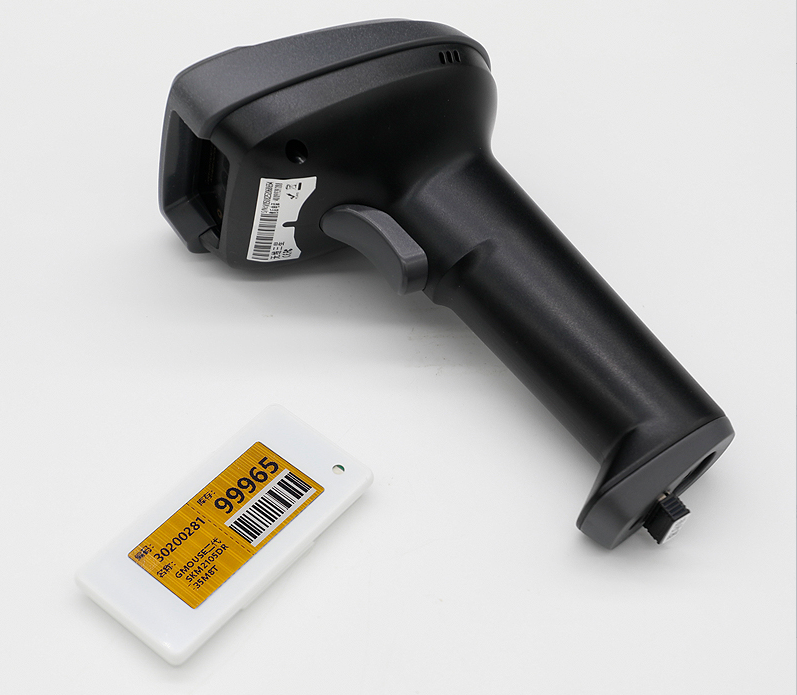
Put-Away: The system intelligently recommends optimal storage locations based on space and product attributes. ESLs guide put-away. Confirmation via PDA syncs data in real-time, ensuring "put-away is accuracy."
Intelligent Picking: Orders are converted into optimized pick paths. ESLs on target locations light up, showing the quantity to pick. This "pick-by-light" method can boost efficiency by over 50% and reduce errors to near zero.
Outbound Verification: Scanning items triggers an automatic system check against the order. Instant alerts intercept any discrepancies, ensuring 100% outbound accuracy.
Dynamic Cycle Counting: Enables counting without interrupting operations. The system initiates tasks, guiding workers via flashing ESLs, with data compared in real-time, maintaining inventory accuracy above 99.9%.
Automated Replenishment: The system constantly monitors stock levels. When a bin falls below its threshold, it automatically generates a replenishment task and signals via ESLs, achieving dynamic inventory balance.
Through this comprehensive digital transformation, the Smart Warehouse Management System upgrades traditional, experience-dependent warehouses into intelligent, data-driven operations. Every item's location and movement are visible in real-time, and every action is recorded for traceability, providing unprecedented transparency and control for modern warehouse management.
Copyrights© Shenzhen Skylab Co.,LTD All Rights Reserved.


